

IMMERSIVE XR & AI SOLUTIONS FOR REAL ESTATE

Immersive technology is transforming how property projects are designed, sold and operated. Using VR, AR, MR, 3D Web and AI, stakeholders can explore apartments and precincts before they’re built, walk through digital twins of towers and retail centres, and experience future views, finishes and layouts from anywhere in the world. Developers de-risk projects, agents shorten sales cycles and asset owners gain real-time visibility into how buildings are performing. From virtual display suites and configurable fit-outs to AI-powered property discovery tools, spatial computing unlocks deeper engagement, stronger pre-sales and smarter asset management across the entire property lifecycle.

DIGITAL TECHNOLOGIES THAT TRANSFORM REAL ESTATE

We help property developers, real estate agencies and asset owners use AR, VR, MR, 3D Web and AI to sell off‑the‑plan, accelerate leasing and manage buildings more intelligently.

  • Touring Spaces Before They Exist

    Virtual reality is advancing the real estate industry by allowing buyers, renters, and investors to experience properties in immersive detail without being physically present. VR property tours let users walk through homes, apartments, and commercial spaces at true scale, helping them understand layout, flow, and spatial relationships more effectively than photos or videos. This is especially valuable for off-plan developments and large commercial projects, where VR can showcase finished spaces long before construction is complete. By reducing the need for in-person visits, VR expands market reach and shortens sales cycles.

    Beyond marketing, VR is becoming a powerful tool for design review and stakeholder alignment. Developers and architects use VR to evaluate floor plans, finishes, and furnishing options, making it easier to spot issues and test alternatives early. Property managers also use VR to simulate renovations, tenant fit-outs, and safety procedures. These applications reduce costly changes later in the process and support more confident decision-making across the property lifecycle.

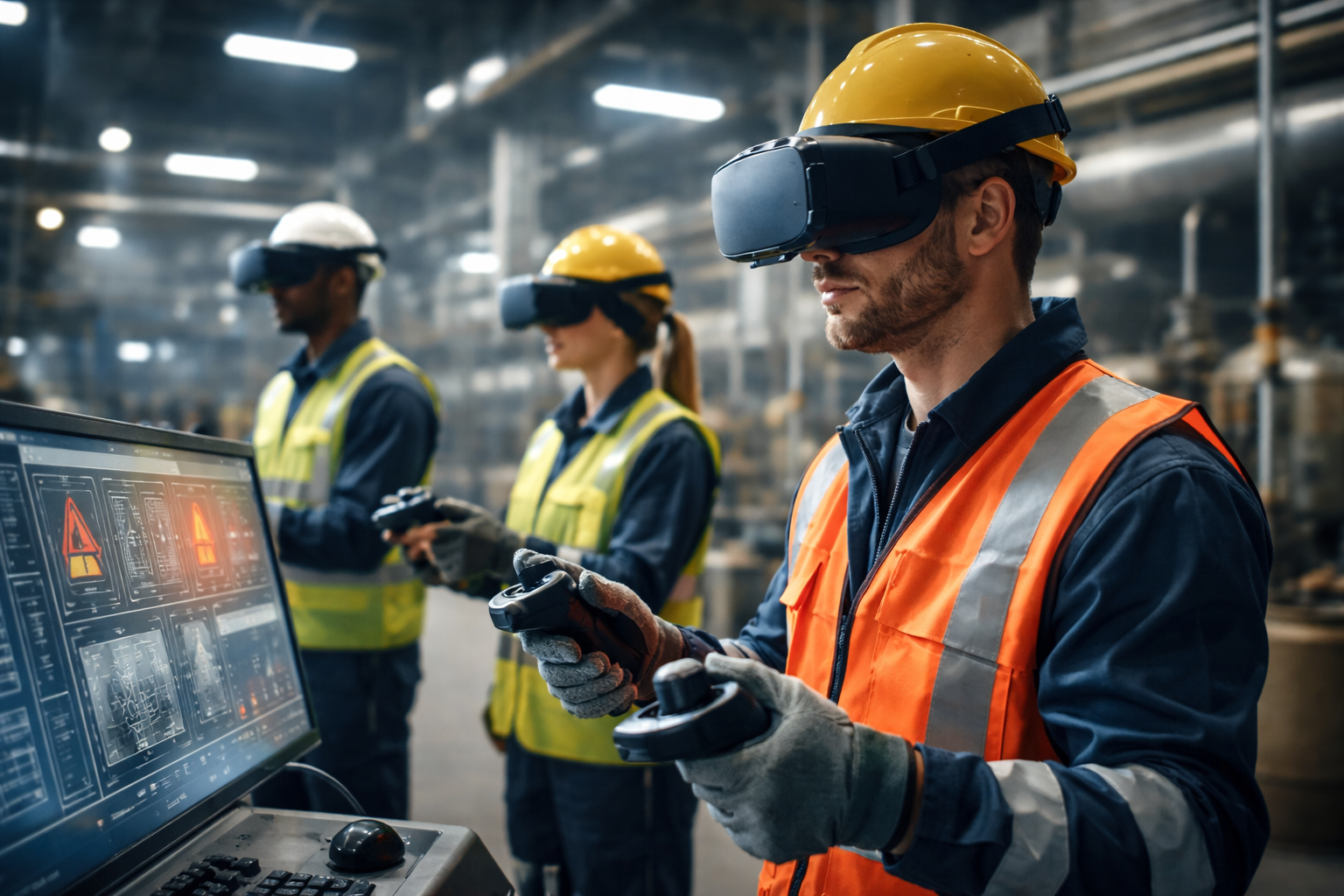
    Immersive training solutions
  • Layering Context onto Physical Property

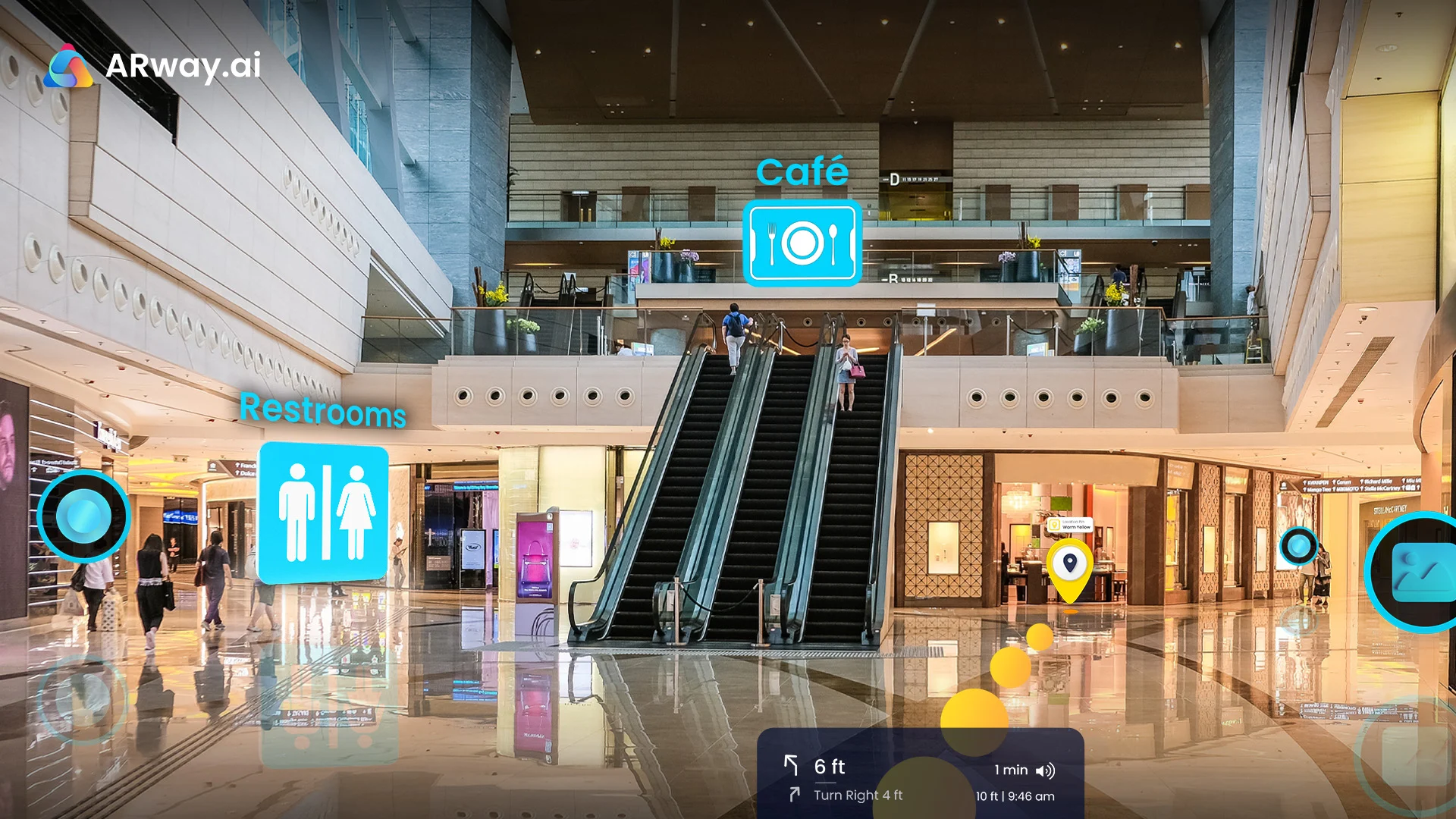
    Augmented reality and mixed reality are transforming real estate by enhancing how people interact with physical spaces. AR allows potential buyers to point a phone or tablet at an empty room and see virtual furniture, finishes, or layout changes overlaid in real time. This helps clients better imagine how a space could look and function, reducing uncertainty and increasing engagement. In outdoor settings, AR can display zoning information, boundaries, and development potential directly on-site.

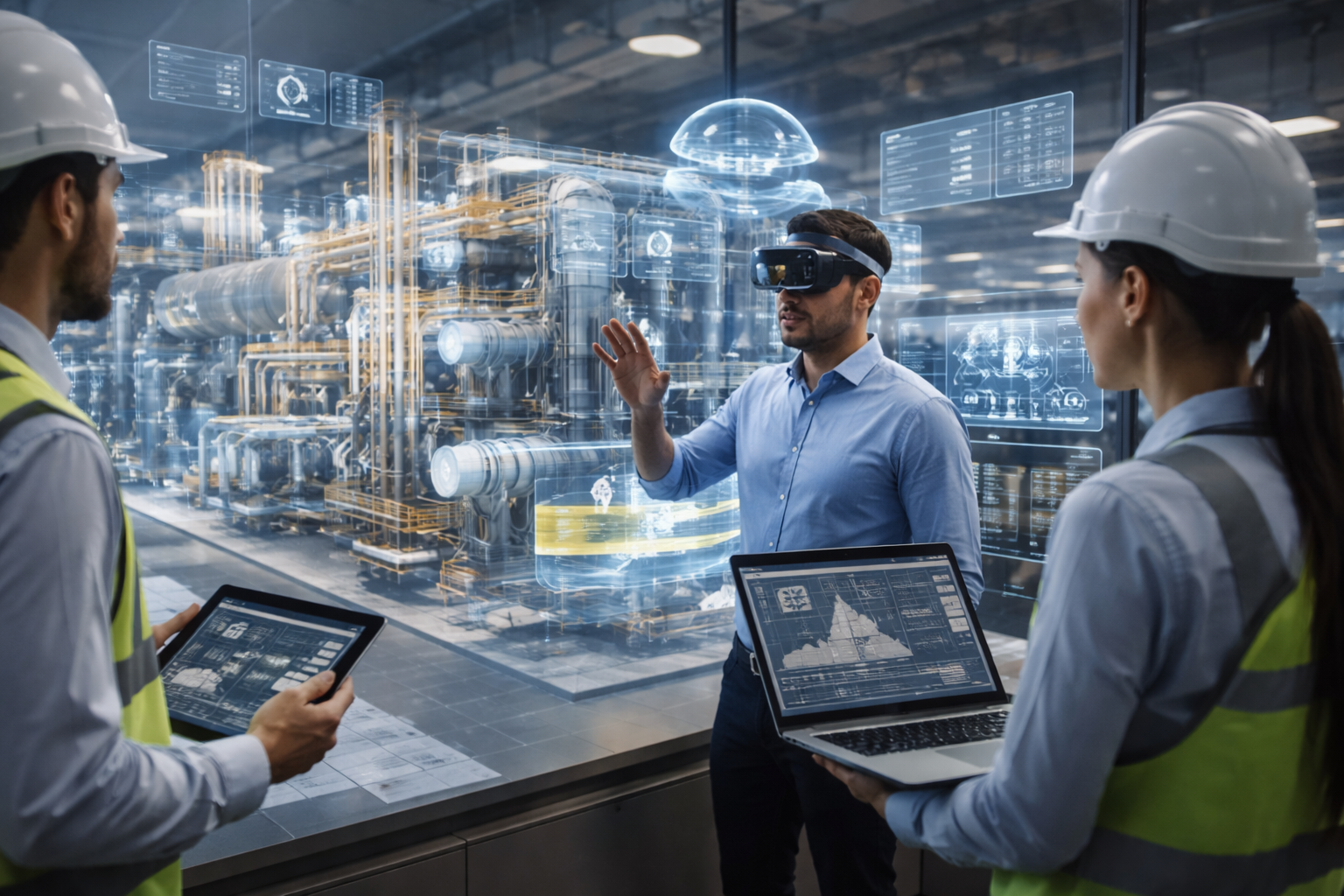
    Mixed reality adds a deeper level of interaction by anchoring digital models persistently within real environments. Real estate agents and developers can walk clients through a site while viewing proposed buildings, renovations, or landscaping at full scale. MR also supports collaboration between remote stakeholders, allowing designers, investors, and clients to share the same spatial context during discussions. By merging digital intent with physical reality, AR and MR make property evaluation more intuitive and transparent.

    3D product and customer experiences
  • Data-Driven Property Decisions

    Artificial intelligence is pushing the real estate industry forward by improving how properties are priced, marketed, and managed. AI-powered valuation models analyze market trends, comparable sales, location data, and economic indicators to generate more accurate pricing insights. Personalized recommendation engines match buyers and renters with properties that align with their preferences, budget, and lifestyle. AI chat assistants also streamline inquiries and scheduling, improving responsiveness while reducing administrative workload.

    On the operational side, AI supports smarter property management and investment strategy. Predictive analytics help forecast maintenance needs, energy usage, and tenant turnover, allowing owners to act proactively. Computer vision can automate property inspections and assess condition from images or video. For investors and developers, AI tools simulate scenarios to evaluate risk, return, and market demand. These capabilities enable faster, more informed decisions in a highly competitive market.

    Spatial tools for field teams
  • Property Experiences in the Browser

    The 3D web is reshaping how real estate is presented and explored online by moving beyond static listings. Interactive 3D property models allow users to navigate spaces, view different layouts, and explore design options directly in a web browser. This creates a richer and more engaging experience that helps buyers and renters understand properties more clearly before committing to a visit. Developers also use 3D web platforms to showcase entire neighborhoods or master-planned communities in context.

    As adoption grows, the 3D web can become a foundation for connected real estate ecosystems. Live data such as availability, pricing, and building performance can be integrated into interactive 3D environments accessible to agents, clients, and investors. These shared spatial experiences support collaboration, transparency, and faster decision-making. By making property information more visual and interactive, the 3D web helps real estate move toward a more immersive and efficient digital future.

    AI insights and automation

Discover Our Projects & Client Results

We partner with innovators in construction, manufacturing, retail, and architecture to bring immersive solutions to life. From training to sales to operations.

How We Work With You To Deliver

Every organisation is at a different point in their XR and AI journey. Our process is designed to meet you where you are, whether you are exploring an idea, validating a concept, or scaling an existing solution.

01. Discovery & Strategy

We start by understanding your goals, users, operational context, and existing systems. Through collaborative workshops and conversations, we identify high value use cases, define clear success metrics, and establish a practical roadmap aligned to your business priorities.

02. Concept Design & Prototyping

We turn early ideas into simple visuals and hands-on demos that people can see and use. This helps everyone agree on what is being built, test ideas early, and fix issues before investing time and budget into full development.

03. Development & Integration

Our team builds the solution using production ready tools and proven workflows. This includes 3D content, interaction design, backend services, system integrations, and AI components. We deliver in structured milestones so progress is visible and testable throughout.

04. Deployment & Ongoing Support

We support deployment into real world environments and help ensure a smooth rollout. After launch, we can assist with feedback collection, performance optimisation, and iterative improvements, providing ongoing support if you need it.

Ready To Start A New Project?

Tell us about your idea, use case, or challenge and we will respond with clear options and recommended next steps. No jargon and no pressure.