
AUGMENTED AND VIRTUAL REALITY FOR AGRICULTURE

Immersive technology for agribusiness. Use AR, VR, and 3D Web to train staff, visualize operations, and streamline decision-making across fields, facilities, and logistics.

IMMERSIVE TECHNOLOGIES DESIGNED FOR AGRICULTURE & AGRIBUSINESS

Immersive tools are transforming agriculture. From AR-guided workflows and VR training to web-based 3D visualizations, we help agribusinesses improve safety, increase efficiency, and communicate complex data clearly.

  • Virtual Reality Is Advancing the Agriculture Industry

    Virtual reality is being used in agriculture to improve planning, training, and decision-making across farms and agribusiness operations. Farmers and agricultural planners can explore virtual representations of fields, barns, irrigation systems, and processing facilities to test layouts, equipment placement, and workflow changes before making physical investments. This is especially useful for large or capital-intensive operations, where small design errors can lead to long-term inefficiencies. VR also helps visualize land use changes, crop rotation strategies, and infrastructure expansion in a more intuitive and spatial way.

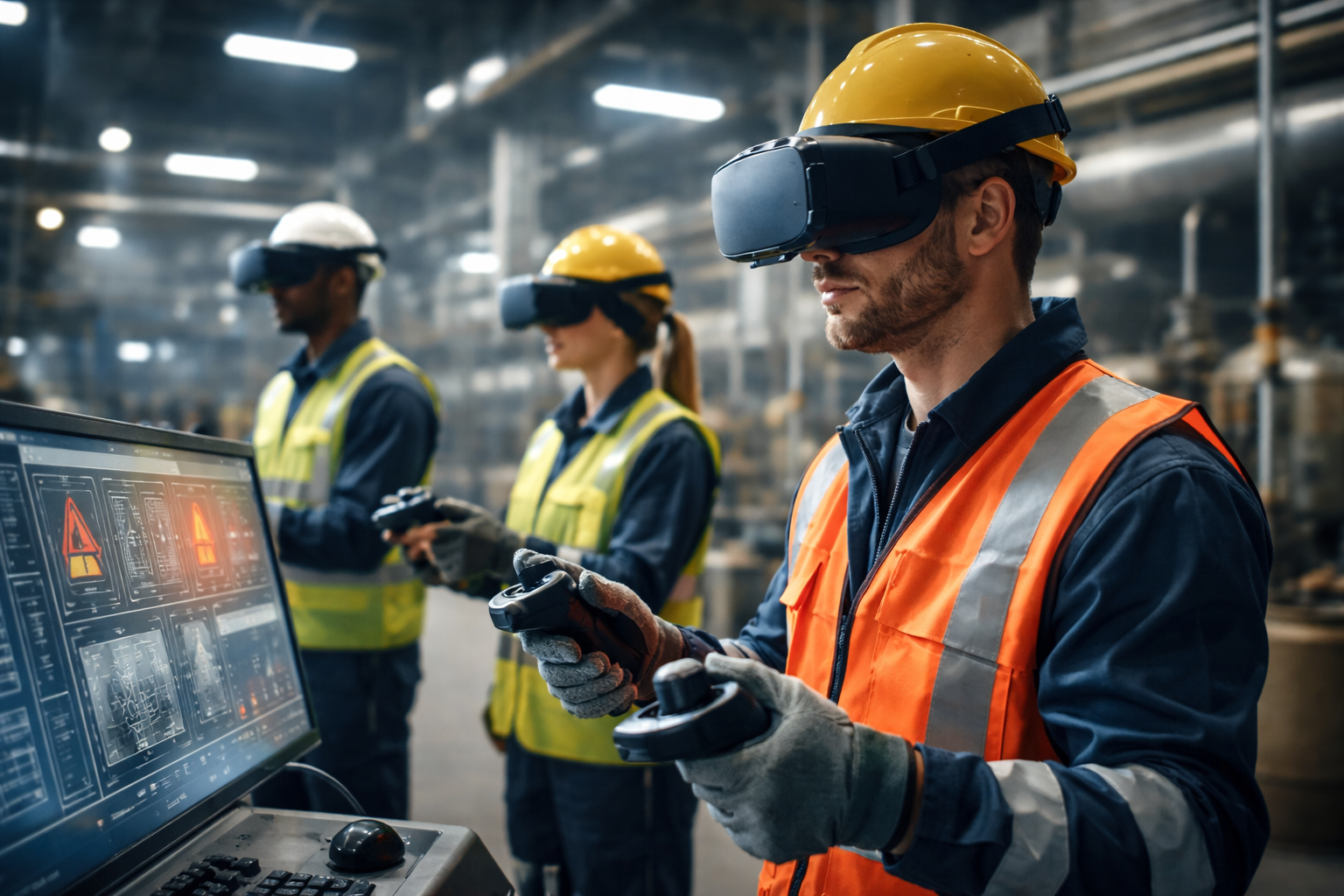
    VR is increasingly valuable for education and workforce development in agriculture. New operators can learn how to use complex machinery, manage livestock facilities, or respond to emergency situations in a realistic but safe environment. These simulations reduce the learning curve and minimize the risk of costly mistakes. As farms adopt more advanced technology and automation, VR provides a scalable way to train workers and transfer knowledge across generations.

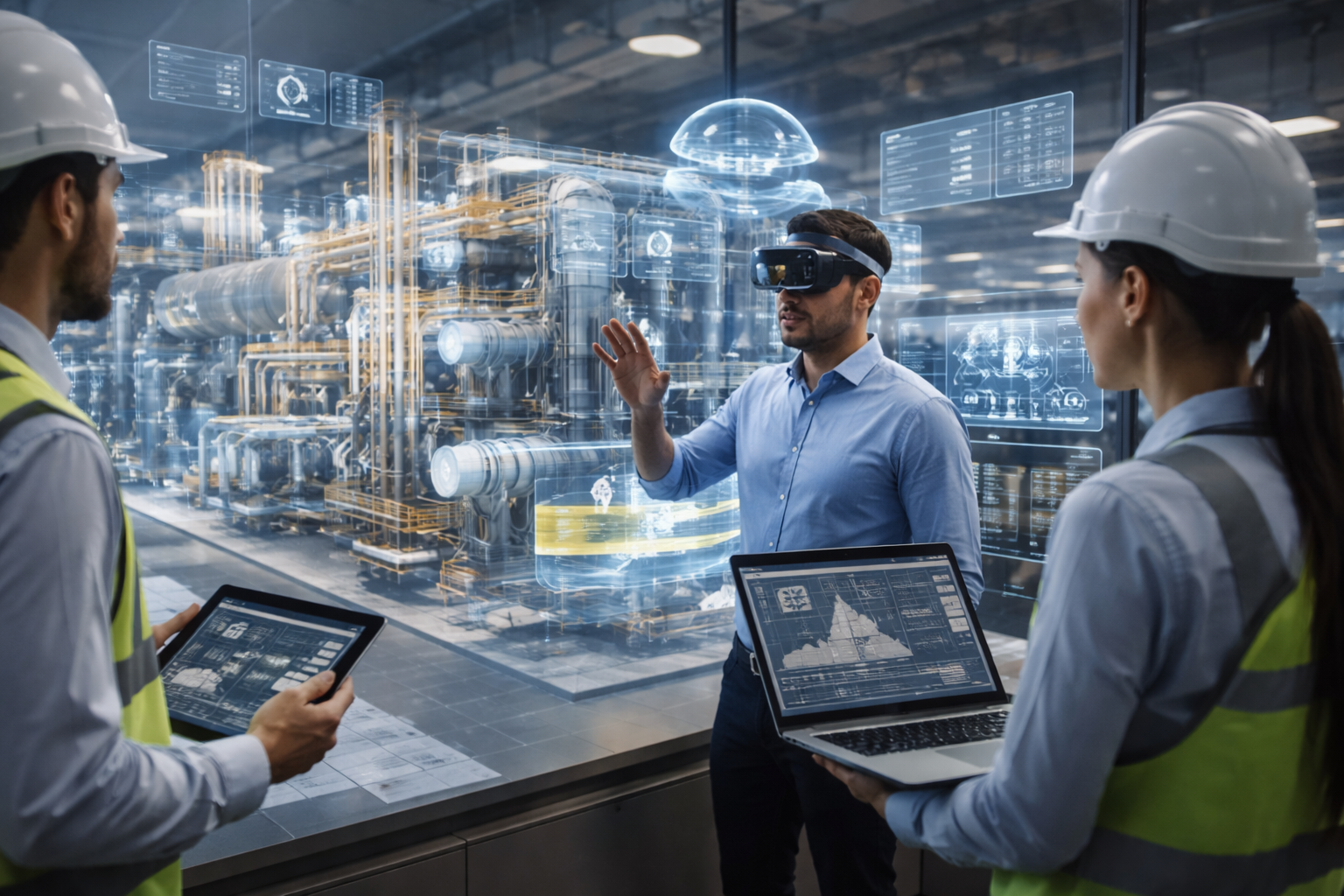
    Immersive training solutions
  • Digital Guidance from Field to Barn

    Augmented and mixed reality technologies are bringing real-time insights directly into agricultural environments. Using mobile devices or headsets, farmers can see overlays showing soil conditions, crop health indicators, irrigation coverage, or equipment diagnostics while standing in the field. This contextual information helps operators make faster, more informed decisions without switching between tools or screens. AR also supports precision agriculture by guiding planting, fertilization, and harvesting activities with greater accuracy.

    Mixed reality enables stronger collaboration and support across rural and remote operations. Experts can assist on-site workers by viewing their perspective and adding visual guidance to machinery, greenhouses, or livestock areas. This reduces downtime when equipment fails and improves maintenance outcomes. By merging physical farming environments with digital data, AR and MR help agriculture become more efficient, resilient, and data-driven.

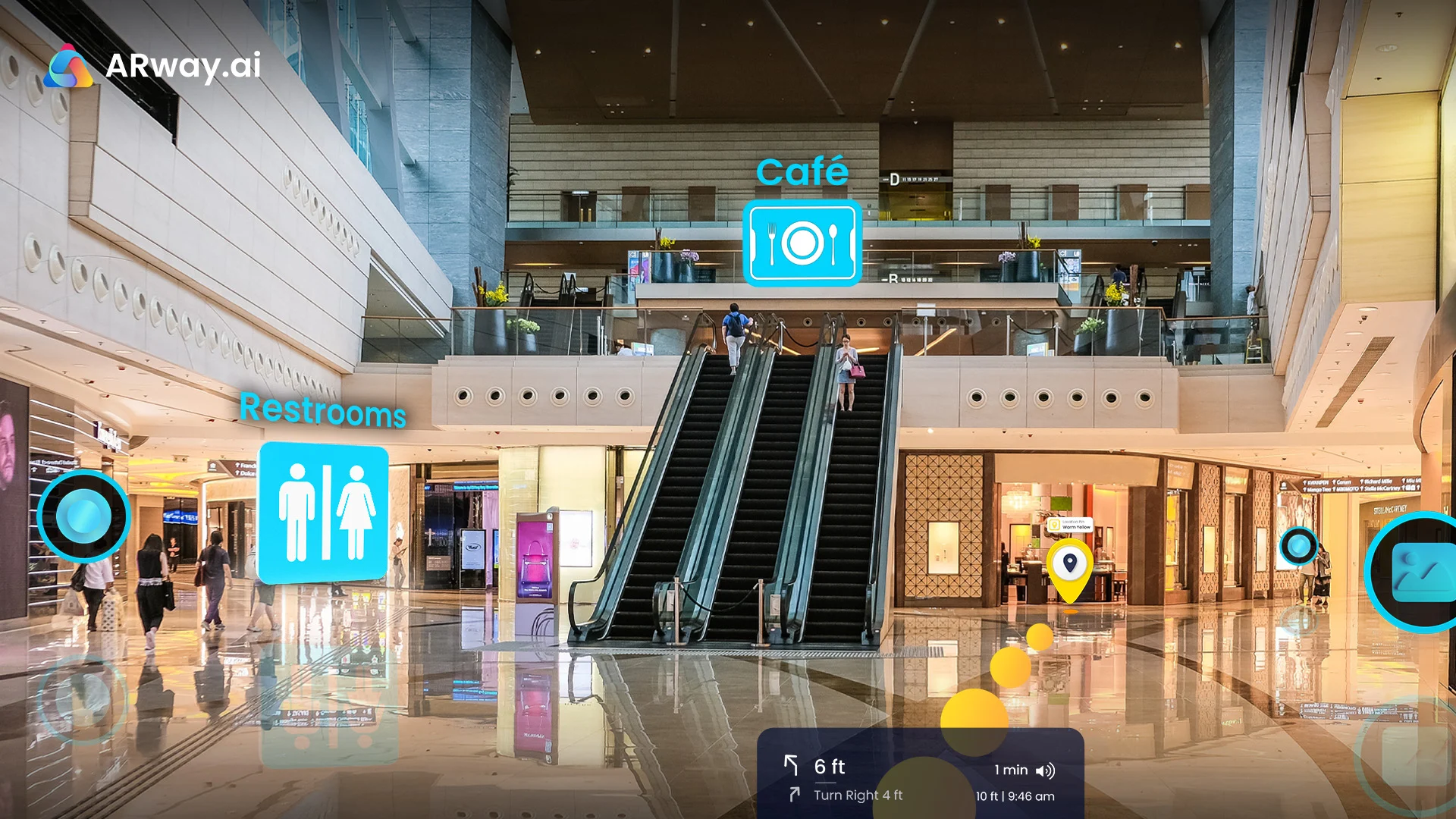
    3D product and customer experiences
  • Intelligence Cultivating Better Outcomes

    Artificial intelligence is transforming agriculture by turning data into actionable insight. AI systems can analyze satellite imagery, drone data, and sensor readings to detect crop stress, disease, or nutrient deficiencies earlier than the human eye. This enables targeted interventions that reduce waste, improve yields, and lower environmental impact. Predictive models also help farmers plan planting and harvesting schedules based on weather patterns and historical performance.

    AI plays a major role in automating agricultural operations. Smart machinery uses AI to optimize routes, adjust equipment settings in real time, and reduce fuel and input usage. In livestock management, AI supports health monitoring, feeding optimization, and breeding decisions. As global food demand increases and labor availability declines, AI provides the intelligence needed to scale production sustainably.

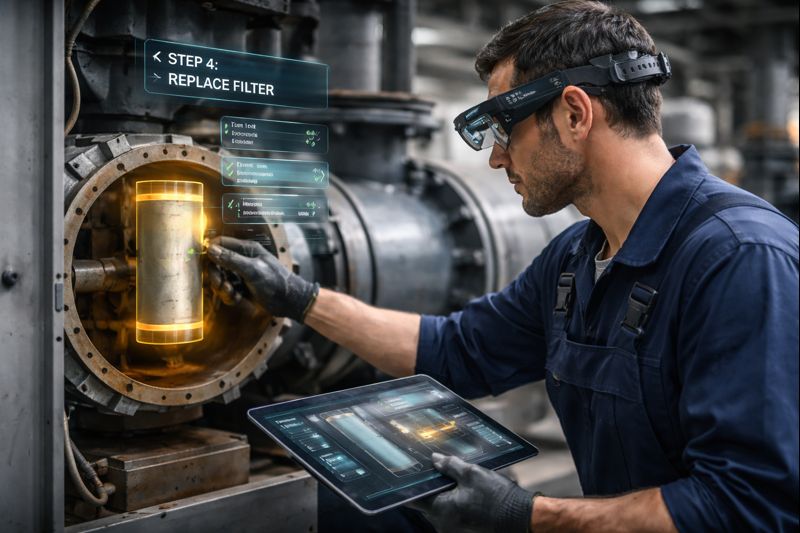
    Spatial tools for field teams
  • How the 3D Web Can Advance the Agriculture Industry

    The 3D web makes agricultural data more accessible by presenting farms, fields, and facilities as interactive 3D environments in a web browser. Farmers, advisors, and stakeholders can explore land topology, infrastructure, and crop layouts without specialized software. This shared visual context improves planning, communication, and collaboration, especially for operations that span large geographic areas.

    In the future, 3D web platforms can support lightweight digital twins of farms that combine spatial models with live data from sensors, weather feeds, and equipment. Users could monitor crop conditions, irrigation performance, and asset status directly on a 3D representation of their land. By making agricultural systems easier to visualize and understand, the 3D web can help farmers make better decisions and adopt new technologies with confidence.

    AI insights and automation

Discover Our Projects & Client Results

We partner with innovators in construction, manufacturing, retail, and architecture to bring immersive solutions to life. From training to sales to operations.

How We Work With You To Deliver

Every organisation is at a different point in their XR and AI journey. Our process is designed to meet you where you are, whether you are exploring an idea, validating a concept, or scaling an existing solution.

01. Discovery & Strategy

We start by understanding your goals, users, operational context, and existing systems. Through collaborative workshops and conversations, we identify high value use cases, define clear success metrics, and establish a practical roadmap aligned to your business priorities.

02. Concept Design & Prototyping

We turn early ideas into simple visuals and hands-on demos that people can see and use. This helps everyone agree on what is being built, test ideas early, and fix issues before investing time and budget into full development.

03. Development & Integration

Our team builds the solution using production ready tools and proven workflows. This includes 3D content, interaction design, backend services, system integrations, and AI components. We deliver in structured milestones so progress is visible and testable throughout.

04. Deployment & Ongoing Support

We support deployment into real world environments and help ensure a smooth rollout. After launch, we can assist with feedback collection, performance optimisation, and iterative improvements, providing ongoing support if you need it.

Ready To Start A New Project?

Tell us about your idea, use case, or challenge and we will respond with clear options and recommended next steps. No jargon and no pressure.